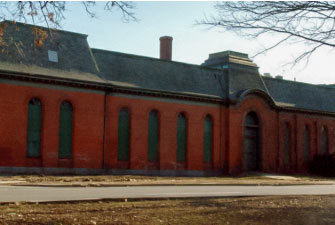
The Mystic Water Works, also known as the Mystic Pumping Station, was constructed between 1862 and 1865 by the City of Charlestown and served as part of the regional water supply infrastructure until the early 1900s. Later uses included office space and a machine shop. The building sat vacant for decades, but its remarkable Romanesque Revival architecture, which combined practical engineering with decorative elements such as robust masonry forms and rounded arches, led to its listing on the National Register of Historic Places in 1989. The building was purchased by the Somerville Housing Authority (SHA) in 2011, which sought to preserve its industrial heritage while addressing local housing needs.
THE CHALLENGE
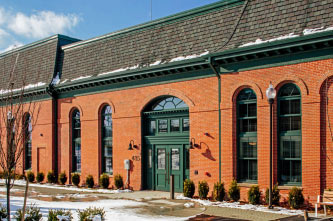
The SHA’s goal was to adapt the structure into affordable senior housing − 25 one-bedroom units along with communal space − while preserving the historic character of the 24,000-square foot structure. Special attention needed to be paid not only to historic features but also to sustainable features to minimize the building’s long-term energy expenses. The extensive renovation included replication of the original wood windows to comply with historic standards.
THE UNIVERSAL SOLUTION
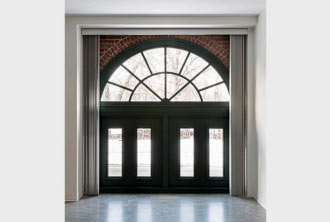
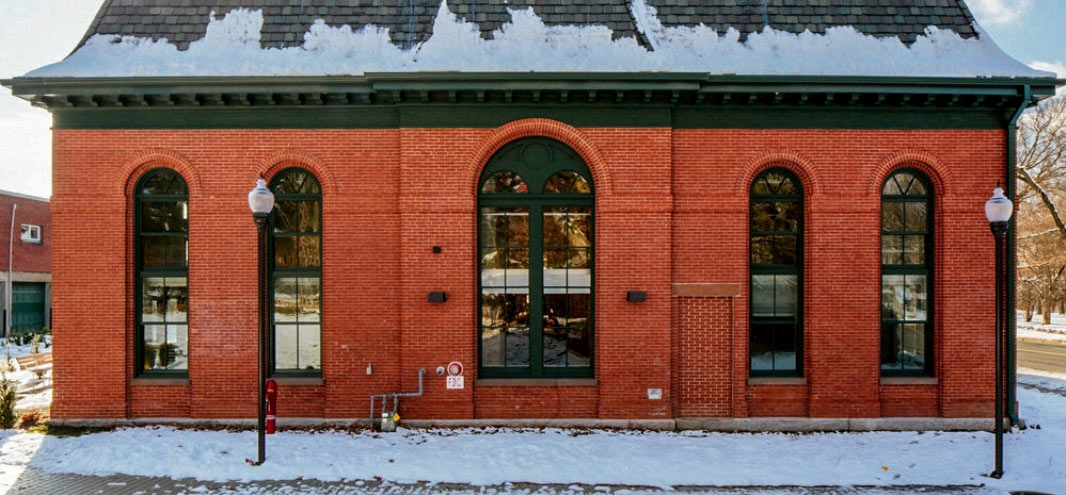
Universal Window supplied 38 historically accurate, energy-efficient windows from its 400 Series for the project. The vertically-mulled double-hung windows were custom designed with an arched fixed transom and operable push-up internal screens. Arched aluminum panning replicates the historic wood casing, with the large windows spanning the two floors of the building.
THE RESULT
The project created 25 affordable units for low-income elderly and disabled residents, including five reserved for formerly homeless individuals, while qualifying for state and federal historic tax credits. The Mystic Water Works earned the 2018 Somerville Preservation Award from the Somerville Historic Preservation Commission for successfully balancing heritage retention with contemporary functionality. In 2020, the project earned the Preservation Massachusetts’ Mayor Thomas M. Menino Legacy Award.
Special attention needed to be paid not only to historic features but also to sustainable features to minimize the building’s long-term energy expenses.
The extensive renovation included replication of the original wood windows to comply with historic standards.